Designing the Perfect Personalized Produce Boxes: A Progressive Guide
Constructing custom produce boxes needs a deliberate strategy. Specialists must assess environmental impact, practicality, and aesthetics. Picking the appropriate components is crucial for maintaining quality and advancing environmentally conscious practices. Moreover, dimensions and shape can significantly influence usability and transport effectiveness. Effective graphics strengthen company recognition, while comprehensive assessment ensures durability. Understanding these components will uncover vital knowledge into producing standout packaging solutions that appeal to consumers. What follows is essential to achieving those goals.
Choosing the Right Materials for Custom Produce Boxes
When considering materials for custom produce boxes, it is important to copyrightine both functionality and sustainability. The selection of material significantly influences the box's strength, weight, and capacity to shield the contents. Common materials feature corrugated cardboard, which delivers strength and is environmentally recyclable, making it a favored choice for green-minded businesses. Biodegradable options, such as molded pulp or plant-based plastics, also support sustainable practices while delivering adequate protection for relevant article delicate produce.
Moreover, dampness protection is necessary for maintaining freshness, causing some vendors to assess treated materials or particular protective applications. The aesthetic appeal of the box deserves consideration, since brand positioning and graphical elements can shape consumer perception. Ultimately, the best option should balance between protecting the produce, engaging consumers, and adhering to environmental standards, confirming that performance and sustainable practices are emphasized within the development procedure.
How to Identify the Right Size and Shape for Practical Application?
When choosing the size and shape of custom produce boxes, careful assessment of produce measurements is essential for effective storage. Additionally, considerations for handling and transport can impact the box design, guaranteeing ease of movement. Maximizing storage space utilization further improves functionality, allowing for efficient display and storage.
Evaluate Produce Dimensions Carefully
Assessing the suitable form and capacity for vegetable boxes is fundamental for functionality and efficiency. Thorough measurement of produce dimensions is indispensable, as it guarantees that items fit snugly without excess space that could produce damage during logistics and storage. Custom boxes need to accommodate various shapes, from delicate berries to bulky vegetables, while maintaining durability. Furthermore, the depth and height of the boxes should enable organized stacking and organization, optimizing space in storage facilities. A well-designed box not only protects the produce but also strengthens visual appeal for consumers. To sum up, careful consideration of dimensions assists in reducing waste and improving overall user experience in the supply chain.
Consider the Oversight of Handling and Transport
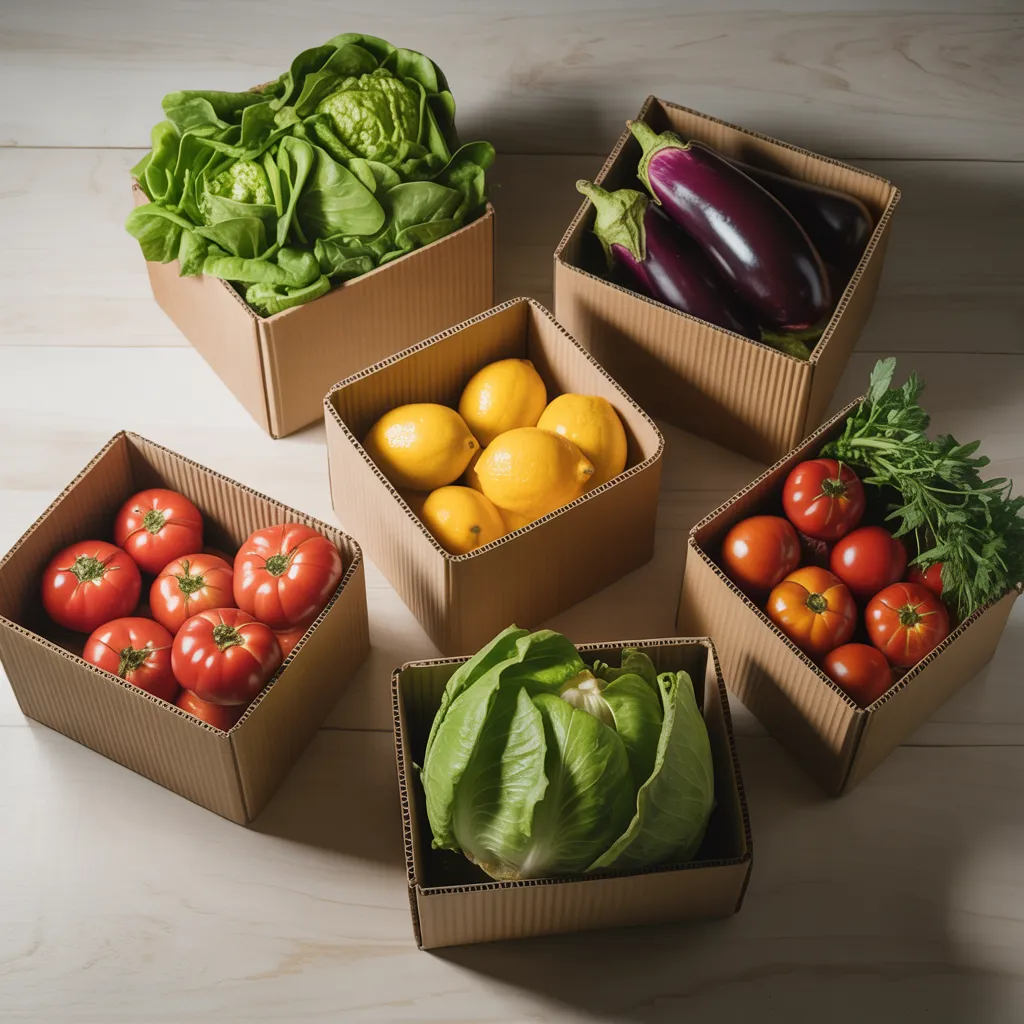
Handling and transport factors play a substantial role in establishing the appropriate size and shape of custom produce boxes. The dimensions must fit the fresh items without unnecessary space, which could lead to shifting and harm during transit. Compact, smaller boxes enable easier handling, while larger boxes may be necessary for larger items. Additionally, ergonomic design is essential; handles or openings should be carefully placed to enable easy lifting and carrying. The shape of the box also affects stacking and stability, ensuring that products remain secure. Ultimately, careful consideration of these factors enhances the effectiveness of transport, minimizes product loss, and maintains the overall integrity of the produce from farm to consumer.
Improve Retail Space Optimization
Effective storage space management is based on establishing the proper size and shape of purpose-built produce boxes. Specialists should take into account the layout specifications of the shelving units as well as the types of produce being held. Standard-shaped boxes often strengthen space optimization, allowing for smoother arrangement and stacking. Alternatively speaking, nonstandard shapes can amplify aesthetic quality but may result in wasted space if not thoroughly considered.
It's vital to assess the merchandise movement rate; products with slower velocity might benefit from smaller, conveniently accessible containers. Furthermore, introducing flexible or customizable structures can enable multiple produce sizes while refining display organization. By prioritizing aesthetic and functional qualities, businesses can establish a functional and visually striking display that enhances both ease of access and promotional impact.
How to Develop Graphics That Command Attention?
Engaging visuals can convert a basic custom produce box into a visual masterpiece that attracts attention. To accomplish this, creatives should start by choosing a color scheme that reflects the vitality and vibrancy of the produce. Vibrant, striking colors can inspire sensations of freshness and wellness, compelling consumers to take a second glance.
Strong typography proves equally vital; readable typefaces can properly convey crucial details while enhancing visual appeal. Additionally, leveraging high-quality images of the produce can create an immediate connection, presenting the item's superiority and enticing potential buyers.
Furthermore, adding original designs and artwork can help differentiate the brand in a congested market. Steadiness in design elements, such as logos and taglines, reinforces brand identity. Ultimately, a combination of originality and lucidity in visual design can greatly elevate the impact of custom produce boxes, making them shine on shelves.
Sustainable Practices for Custom Produce Box Containers
An increasing number of businesses are introducing eco-friendly solutions for custom produce box packaging, acknowledging its importance in today's environmentally conscious market. These practices often involve the use of compostable materials, such as recycled paper and plant-based plastics, which lessen environmental impact. Companies are also directing attention on responsible procurement, ensuring that materials are obtained from responsibly managed forests or suppliers who prioritize environmental stewardship.
Furthermore, numerous brands are opting for minimalist designs that reduce waste while still efficiently highlighting their products. This method not only appeals to eco-aware consumers but also assists in reducing production costs. Moreover, businesses are progressively applying efficient manufacturing processes that minimize energy consumption and waste generation. By integrating these sustainable practices, companies not only enhance their brand image but also contribute positively to the planet, aligning their operations with a sustainable future.
Testing Your Custom Produce Box Layout
Testing the layout of personalized vegetable containers is an essential step in ensuring they satisfy both aesthetic and functional requirements. This process usually includes assessing elements such as durability, dimensions, and usability. First, samples must be developed to evaluate the container's physical stability, ensuring it can withstand transportation and storage without damaging the products.
Next, user experience evaluations can be performed to assess how effortlessly the boxes can be unlocked, sealed, and stacked. Feedback from prospective customers can be invaluable in this stage, providing perspectives into the box's practicality.
Additionally, the visual impact of the design should be tested through focus groups or surveys, assessing consumer feedback to brand design elements, color palettes, and overall presentation.
In the end, thorough evaluation allows designers to refine the box, ensuring it not only attracts customers but also adequately safeguards and presents the produce within, striking the right equilibrium between form and function.
Promoting Your Custom Produce Boxes Successfully
Effective advertising of personalized produce boxes calls for a strategic approach that highlights their unique features and benefits. Businesses should focus on identifying their intended customers, whether they are local farms, grocery stores, or individual consumers. Utilizing social networking sites can boost brand awareness, displaying the boxes' design and practicality through engaging visuals and storytelling.
Furthermore, working alongside local influencers or farmers can boost credibility and extend reach. Presenting promotions or discounts during seasonal peaks can pull in new customers and stimulate customer loyalty.
Additionally, highlighting sustainability and eco-friendliness in promotional content can resonate with environmentally conscious consumers. Providing comprehensive details about material composition and the benefits of tailored packaging solutions can further differentiate the product in a crowded marketplace.
Ultimately, a thorough promotional plan that combines online and community-based efforts will effectively advertise custom produce boxes, attracting a varied clientele and boosting sales.
Popular Inquiries Asked Often
What Fees Come With Custom Produce Box Design?
Charges regarding custom produce box design feature materials, printing, labor, and freight. Also, design consultation and order thresholds can shape total costs, bringing about different pricing structures based on unique needs and production size.
What Period Is Involved to Generate Made-to-order Boxes?
Manufacturing of tailored boxes typically demands two to six weeks. Important elements shaping this timeframe involve design complexity, materials availability, and manufacturing output, all of which can influence delivery schedules and lead times.
May I Submit an Request for a Minimal Quantity of Bespoke Produce Boxes?
Yes, small amounts of custom produce boxes can typically be ordered. Many suppliers offer base purchase minimums, allowing enterprises or consumers to get customized packaging solutions without having to commit to large volumes initially.
What Frequent Mistakes Must Be Prevented in Custom Box Design?
Typical mistakes in custom box design involve overlooking functionality, ignoring brand consistency, undervaluing material quality, not considering target audience preferences, and overlooking environmental impact. Each aspect is vital for successful packaging and customer satisfaction.
How Do I Verify My Boxes Are Food-Compliant?
To guarantee boxes remain food-safe, you should select components certified for food contact, prevent harmful inks and adhesives, preserve cleanliness during production, and consistently monitor for compliance with health regulations and safety standards.
Comments on “Affordable Cardboard Boxes for Fruit and Vegetables for Farms”